A Practical Guide to Choosing Organic Latex Mattresses: Comfort, Support, and Sustainability
A Vogue-style exploration of organic latex mattresses, from materials and certifications to firmness options and long-term durability.
In the realm of sleep, few decisions carry the same impact as choosing a mattress. An organic latex mattress stands at the intersection of luxury, health, and environmental stewardship, offering a blend of buoyant support, responsive contouring, and an ethical footprint. This guide unpacks the essentials—what makes latex different from memory foam or traditional innerspring, why organic certification matters, and how to tailor firmness, zoning, and breathability to your body and lifestyle. Whether you are upgrading a sanctuary that already reads as a spa or building a new sleep routine from the ground up, this editorial invites you to consider comfort not as a momentary sensation but as a durable, sensorial relationship with your bed.
We navigate through brand benchmarks, certifications, and practical tips, with a focus on evidence-based guidance and long-term satisfaction. The aim is to empower readers to discern performance from marketing, to understand the language of latex, and to align choices with values—comfort, durability, and sustainability—without sacrificing style or elegance in the process.
What makes organic latex mattresses different
Latex mattresses are prized for their resilience, buoyant response, and breathability. Organic latex, often derived from Hevea brasiliensis (the rubber tree), is processed to remove chemical contaminants and to meet organic farming and production standards. The result is a mattress core that can provide a buoyant yet supportive feel, with natural airflow that helps regulate temperature. Unlike memory foam, latex typically offers more bounce and a quicker recovery, which some sleepers equate with a more immediate sense of support and alignment.
Two core forms of latex you might encounter are Dunlop and Talalay. Dunlop latex is poured into a mold and can be more dense and supportive, while Talalay latex is created through a more complex process that often yields a lighter, more uniform feel with open-cell structure. Both forms can be used in layered configurations to achieve customized feel, pressure relief, and spine alignment across sleeping positions.
Organic certification matters because it signals that the materials and manufacturing processes meet independent standards for environmental stewardship, health, and social responsibility. Certifications to look for include the Global Organic Latex Standard (GOLS) for latex, and broader organic certifications for the materials surrounding the latex core (such as GOTS for organic cotton or wool, and other third-party verifications). These credentials are not mere marketing; they underpin claims about purity, safety, and sustainability that can influence long-term health and environmental impact.
Firmness tuning, zoning, and spinal alignment
One of latex’s most celebrated attributes is its versatility in firmness and zoning. Many organic latex mattresses offer adjustable configurations—soft, medium, and firm layers—so sleepers can tailor the topography to their body weight, sleeping position, and personal preferences. For example, back sleepers often seek a medium to slightly firmer feel to promote neutral spinal alignment, while side sleepers may benefit from a softer top layer that cushions shoulders and hips without allowing sagging that could misalign the spine. Stomach sleepers frequently prefer a firmer surface to prevent excessive neck flexion, which latex can accommodate through layer combinations or denser Dunlop cores.
Zoning adds another layer of customization: certain latex setups provide targeted support in lumbar or shoulder regions, helping to maintain a healthy curvature for extended periods of sleep. This is particularly relevant for people who experience localized discomfort or who prefer a bed that evolves with their changing needs over time.
When evaluating firmness, consider the interplay of materials and structure. A mattress with a latex core combined with a breathable cotton or wool quilt can offer a balanced mix of lift and contour, while ensuring the surface remains responsive and cool. If you anticipate heat sensitivity, inquire about ventilation channels, fabric covers, and moisture-wicking properties of the outer layers—factors that play a crucial role in comfort across seasons and sleep environments.
Brand benchmarks: what credible players emphasize
In the landscape of organic latex, several brands have established credibility through transparent sourcing, robust certifications, and consistent performance. While this guide is not a shopping catalog, understanding how reputable brands approach core issues can help you evaluate options more confidently. Look for clarity about latex sourcing (certified organic plantations, sustainable harvesting practices), manufacturing standards (GOLS certification, third-party testing), and the presence of trial periods that allow you to assess comfort within your own sleep routine. Brand integrity also shows up in service—clear guidance about setup, warranty terms, and the possibility of layer-access or customization to refine your feel after a few weeks of sleep.
One example of a reputable approach is a mattress designed with nested latex layers and a cover that is organic cotton or other natural fibers, finished with careful stitching and a breathable, non-toxic finish. The emphasis is not merely a high price tag but a durable, low-toxin sleep system that remains supportive and comfortable for years. When you read a product description, translate marketing language into practical terms: how many latex layers are used, what type of latex, whether the product is GOLS-certified, and what the warranty coverage includes.
Conscious consumers also appreciate brands that transparently communicate comfort testing, edge support, motion isolation, and temperature regulation. A well-made organic latex mattress should feel supportive across a range of positions without excessive heat buildup, while maintaining resilience that preserves spinal alignment and reduces pressure points over the long term.
What to verify before purchasing
Before investing in an organic latex mattress, verify a set of practical criteria that impact satisfaction, hygiene, and value:
- Certification details: Confirm GOLS status for latex and any fabric certifications (e.g., GOTS for cotton, Oeko-Tex for textiles).
- Layer configuration: Understand how many latex layers exist, whether firmness is configurable, and how layers can be rearranged or replaced.
- Mattress construction: Look for a robust, natural casing (often organic cotton or wool) and a quilting layer that contributes to comfort without introducing petroleum-based foams.
- Support and micro-shifts: Consider edge support and how the mattress handles movement—does it isolate motion well for couples, and does it maintain surface uniformity when you move?
- Durability and warranty: Inspect the warranty length, coverage scope (sag, compression, and manufacturing defects), and any requirements for warranty validation.
- Trial period and return policy: A generous trial period reduces the risk of getting accustomed to a new feel; take advantage of this to assess fit for your daily routine.
- Allergen considerations: Evaluate the absence of common irritants and ensure the cover and core materials suit sensitive skin or respiratory concerns.
Remember that the best mattress for you is the one that you can test in a real-world setting and feel supported by over several weeks. A mattress’s initial feel can be deceiving; true comfort emerges as your body adapts to the contouring and support, and your sleep environment becomes aligned with your comfort preferences.
A designer approach to sleep: why aesthetics matter
Beyond the science of comfort, there is a compelling design language at work in organic latex mattresses. The aesthetics of your bed—clean lines, natural fabrics, and a sense of airiness—contribute to a ritual of self-care. The seduction of a well-made mattress isn’t just texture and support; it is the atmosphere it creates in your room. A bed that feels luxurious invites you to pause, breathe, and adopt a restorative rhythm. The narrative of the mattress becomes part of your daily routine: you are treating yourself to a long-term commitment to well-being, wrapped in the quiet confidence of sustainable materials and refined craftsmanship.
When pairing an organic latex mattress with linens and toppers, think of a holistic ensemble. You might layer with an organic cotton or wool quilted cover, pair with breathable percale or linen sheets, and add a topper only if you desire a specific density in a temporary phase. The goal is to achieve a harmony that respects your body’s needs while maintaining a sense of everyday luxury that mirrors the aspirational mood of a Vogue-worthy bedroom.
Product spotlight: a curated view of compatible toppers
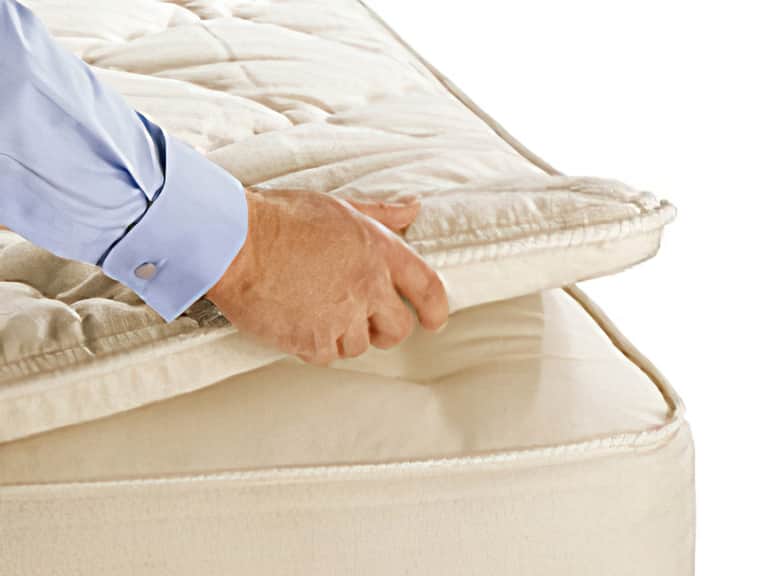
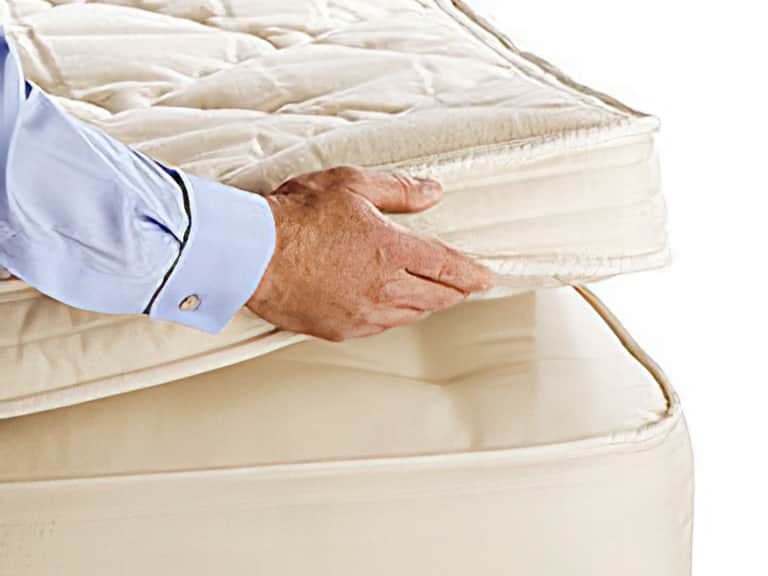
To illustrate how parts of a sleep system work in concert, consider toppers that complement an organic latex core. A top-layer pad can provide variable loft and a touch of plush, while ensuring the latex core remains the primary source of support and bounce. In the context of the product catalog you may encounter items like the Royal-Pedic Premier Natural Pillowtop Pad and the 4\" Natural Pillowtop Pad, which represent a luxury tier of toppers that can be used on top of existing mattresses to refine comfort, cushion pressure points, and extend mattress life. While these toppers are not latex mattresses themselves, their concept—adding breathable, natural materials to elevate the sleep experience—aligns with the broader philosophy of an organic sleep system.
If you are seeking a direct match to organic latex cushioning that complements a latex core, prioritize toppers that feature natural latex, wool, or cotton batting, with a cover made from natural fibers and certified organic standards. The key is to ensure the topper does not introduce synthetic foams or chemical flame retardants that would compromise the organic integrity of the mattress core.
Conclusion: your path to sustainable comfort
Choosing an organic latex mattress is more than a purchase; it is a commitment to a sleep ritual built on comfort, longevity, and responsibility. The combination of organic certification, layer customization, and breathable design empowers you to sculpt a surface that adapts to you, not the other way around. When you align your choice with credible brands, clear certifications, and practical testing, you arrive at a bed that supports your spine, respects your health, and honors the environment.
As you finish this guide, allow yourself a moment to imagine sleep as couture—elevated, intentional, and enduring. A mattress that feels like a bespoke piece of luxury is a partner in your daily renewal. The right organic latex mattress can become a foundation of confidence and calm, a signal to your body every night that you deserve both exquisite comfort and a pristine planet.
Notes on purchasing within this site
If you are exploring options on this site, you may encounter products that fit within the broader ethos of premium, organic sleep systems. For example, consider a mattress topper in the Royal-Pedic family, noted for its natural materials and luxury heritage, or a latex-based foundation from a brand known for sustainable practices. When you encounter a product description, review the materials, certifications, and care recommendations to ensure alignment with the organic latex criteria discussed above. Do not rely solely on price as an indicator of quality; instead, cross-check the core latex type (Dunlop vs. Talalay), certification status (GOLS, GOTS, others), and warranty terms.
This guide aims to equip you with the framework to evaluate options thoughtfully and to choose a mattress that not only feels exquisite but also stands up to the test of time, maintaining the integrity of materials and the sheen of luxury that makes a bed worthy of Vogue reverie.
Product references
In the spirit of selecting products that genuinely fit the article topic and meet high standards of quality and transparency, the following product references are included where applicable and relevant to the organic latex mattress discussion. If you wish to explore any of these items, you can follow the link to the product page for official specifications and purchase details.
- Royal-Pedic Premier Mattress Topper – 2\" Thick — A luxury topper designed to add cushioning and pressure relief while preserving mattress firmness. This option is noted for its premium materials and handcrafted approach. Link: Royal-Pedic Premier Natural 2\" Pillowtop Pad.
- Royal-Pedic 4\" Natural Pillowtop Pad — An all-natural latex layered topper with a boxed-edge construction and premium fabric ticking, offering thicker cushioning and targeted support. Link: Royal-Pedic 4\" Natural Pillowtop Pad.
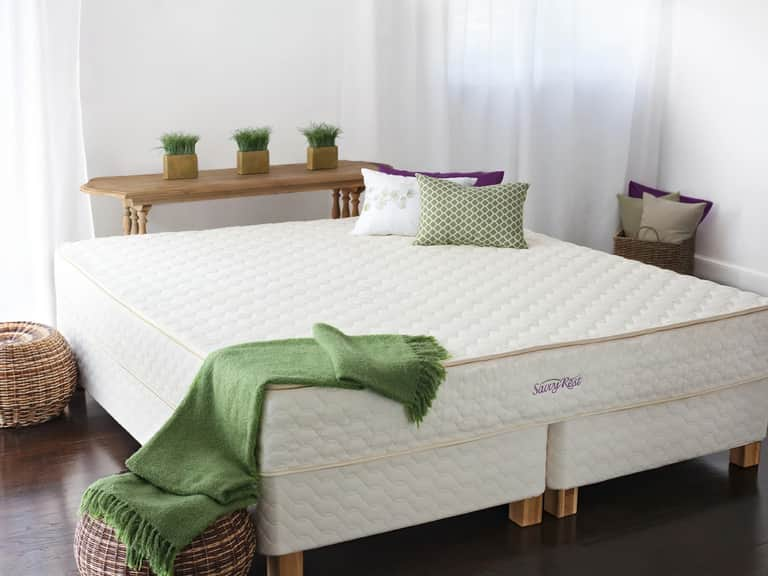
- Savvy Rest Serenity Latex Mattress — A customizable latex mattress with organic wool and cotton, designed for flexible layer configurations and long-term comfort. Link: Savvy Rest Serenity Latex Mattress.