Bedroom furniture encompasses essential elements that establish comfort, support, and aesthetics within sleeping spaces. This category highlights how thoughtfully designed pieces contribute to restful sleep, proper posture, and organized layouts. Materials, finishes, and construction methods influence durability, tactile quality, and ease of care, while scale and arrangement impact room function and ambiance.
Key features of bedroom furniture include ergonomic design, memory foam or hybrid support options, and breathable fabrics that regulate temperature. Understanding dimensions, weight capacity, and adjustability helps in selecting pieces that align with individual sleep needs, room size, and daily routines. Attention to edge safety, hypoallergenic components, and noise-reducing mechanisms enhances suitability for varied sleepers.
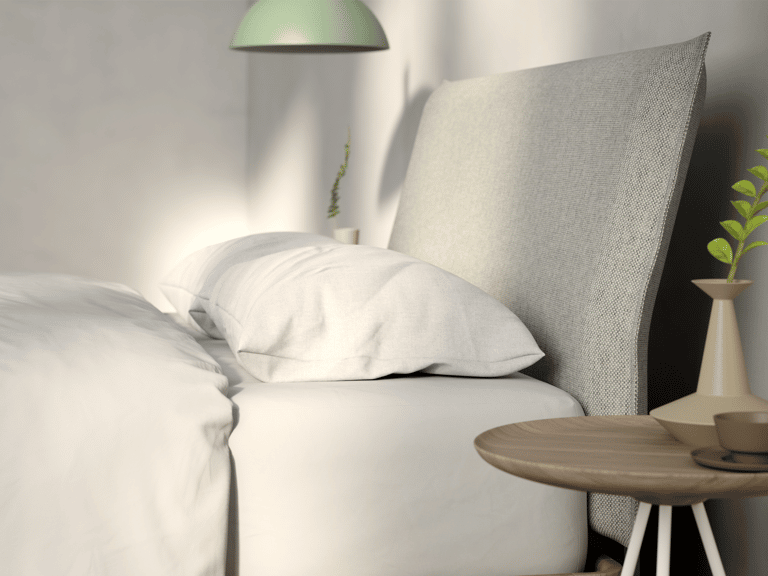
Within this category, products like Pillow Repose Headboard demonstrate how accessory elements integrate with primary furniture to improve seating comfort, back support, and overall headboard aesthetics. Functional benefits may include built-in cushioning, decorative appeal, and compatibility with existing bed frames, contributing to a cohesive sleeping environment without compromising accessibility.
Other focal considerations involve bedding ecosystems that complement furniture design, such as sheets, duvet covers, and pillows chosen for comfort, climate suitability, and tactile feel. Organic mattress options and eco-friendly materials contribute to health-conscious choices, while timeless silhouettes offer versatile styling that harmonizes with multiple interior concepts.
Overall, bedroom furniture emphasizes durability, user-centered design, and adaptable layouts. By evaluating construction quality, fabric reliability, and compatibility with essential bedding components—like organic mattresses and supportive pillows—learners can make informed decisions that support restorative sleep and long-term room usability.
 Furniture